
- Monday: 09:00-17:00
- Tuesday: 09:00-17:00
- Wednesday: 09:00-17:00
- Thursday: 09:00-17:00
- Friday: 09:00-17:00
- Saturday: Closed
- Sunday: Closed
Your roof protects your home from the unpredictable British weather. However, many homeowners overlook its condition until something goes wrong. Regular inspections can identify minor problems before they develop into expensive repairs. If you’re looking for professional roofing in Doncaster, understanding when to check your roof can help protect your property and save money.
So, How Often Should You Have Your Roof Inspected? The answer depends on several factors, including your roof’s age, materials and exposure to bad weather.
How Often Should Homeowners in Doncaster Check Their Roof?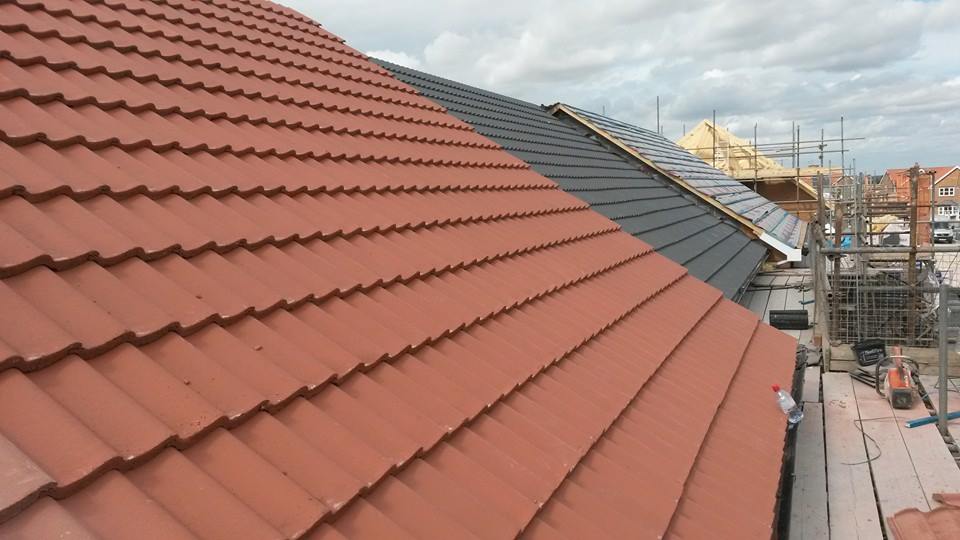
As a general guideline, homeowners should arrange a professional roof inspection every one to two years. However, older roofs or properties exposed to severe weather may need more frequent attention. You should also visually check your roof from ground level twice a year, ideally during spring and autumn. Spring inspections help identify damage caused by winter storms, frost and heavy rainfall. Meanwhile, autumn checks prepare your roof for colder temperatures and unpredictable weather. Regular inspections can uncover problems such as loose tiles, damaged flashing and blocked gutters. Consequently, addressing these issues early can reduce the likelihood of unexpected repair bills.
What Are the Warning Signs That Your Roof Needs Inspecting?
Although some roofing problems remain hidden, others produce noticeable warning signs. For example, you might notice water stains appearing on ceilings or walls. These could indicate moisture entering through damaged roofing materials.
Other common warning signs include:
-
Missing, cracked or slipped roof tiles
-
Damp patches inside your loft
-
Sagging or uneven sections of roofing
-
Moss growth around damaged tiles
-
Loose or deteriorating flashing
-
Water overflowing from blocked gutters
Additionally, unexplained draughts or changes in loft moisture levels may suggest roofing problems.
If you notice any of these issues, arranging a professional inspection is sensible. Importantly, avoid climbing onto your roof yourself, as working at height presents serious safety risks.
Why Is Regular Roof Maintenance Important in Doncaster?
Doncaster experiences a mixture of rainfall, strong winds and occasional freezing temperatures throughout the year. Over time, these conditions can weaken roofing materials and expose existing vulnerabilities. For instance, strong winds may loosen tiles, while repeated freezing and thawing can worsen existing cracks. Similarly, blocked gutters can prevent rainwater from draining away effectively. As a result, moisture may enter areas that should remain dry. Regular maintenance helps protect your roof against these problems. Furthermore, keeping your roof in good condition can extend its lifespan and reduce the likelihood of major repairs. A well-maintained roof also helps preserve your property’s appearance and structural condition.
Do Older Roofs Need More Frequent Inspections?
Older roofs generally require closer attention because roofing materials naturally deteriorate over time. Traditional pitched roofs can last for several decades, depending on their materials, installation quality and maintenance history. However, individual components may wear out sooner than the main roof covering. For example, lead flashing, ridge mortar and roof valleys can develop problems even when surrounding tiles remain serviceable. Therefore, homeowners with ageing roofs should consider annual professional inspections. Flat roofs may also benefit from more frequent checks, particularly around drainage outlets, joints and roof edges. Nevertheless, age alone doesn’t mean your roof needs replacing. A professional roofer can assess its condition and recommend suitable repairs where necessary.
 What Happens During a Professional Roof Inspection?
A professional inspection involves examining the roof’s overall condition and identifying areas that may require attention.
Depending on the property and safe access arrangements, a roofer may assess:
-
Roof tiles, slates or flat roofing materials
-
Ridge tiles and mortar joints
-
Flashing around chimneys and roof junctions
-
Gutters, fascias and soffits
-
Roof valleys and drainage points
-
Visible signs of leaks or deterioration
The roofer may also recommend examining accessible loft areas for evidence of moisture. Following the inspection, they should explain any problems and discuss appropriate solutions. Sometimes, replacing a handful of damaged tiles is enough to prevent further deterioration. However, more extensive damage may require additional repairs. Ultimately, identifying the problem early gives homeowners more options.
When Is the Best Time to Arrange a Roof Inspection?
Spring and autumn are particularly useful times to assess your roof. During spring, you can identify damage caused by winter weather. Meanwhile, autumn inspections help prepare your property for the colder months ahead. However, you shouldn’t wait for a scheduled inspection if you suspect something is wrong. For example, after particularly strong winds, check your roof visually from a safe position on the ground. If you notice missing tiles, damaged guttering or signs of water entering your home, contact a professional roofer.
This brings us back to the question: How Often Should You Have Your Roof Inspected? Although every property differs, regular checks and prompt repairs offer the best protection against unexpected roofing problems.
Contact Turner Roofing in Doncaster
At Turner Roofing, we understand the importance of keeping your roof in good condition throughout the year. Whether you’ve noticed damaged tiles, experienced a leak or have concerns about an ageing roof, our team can help assess the problem and recommend suitable solutions. If you’re wondering How Often Should You Have Your Roof Inspected?, get in touch with Turner Roofing for friendly advice about your property’s roofing requirements.
Visit our roof maintenance and repair services page to learn more, or contact us to discuss your requirements.