
- Monday: 09:00-17:00
- Tuesday: 09:00-17:00
- Wednesday: 09:00-17:00
- Thursday: 09:00-17:00
- Friday: 09:00-17:00
- Saturday: Closed
- Sunday: Closed
A roof protects your home from the weather year-round, yet many homeowners don’t think about its condition until a problem arises. Knowing How to Look After Your Roof can save you money and stress over time. With regular checks and simple maintenance, you can keep your roof in great shape and prevent issues before they develop.
Small faults, such as cracked tiles or blocked gutters, can quickly cause water leaks or structural damage if left unaddressed. Spending a little time on roof care now can mean fewer major repairs in the future.
Make routine visual checks
You don’t need to climb on the roof to look after it. Simply scan the surface from the ground every few months. A pair of binoculars will help you check for uneven tiles, missing pieces, or signs of wear. It’s especially useful after heavy winds or storms, when tiles are more likely to shift.
Catching early signs of damage means you can fix them before they impact the inside of your home.
Keep gutters and downpipes clear
Gutters are vital for directing rainwater safely away from your house. Leaves, moss and other debris often block them, causing water to overflow instead of draining. This overflow can seep into walls, roof edges, and foundations.
Clear your gutters at least twice a year — typically in spring and autumn. If your property is surrounded by trees, more frequent cleaning may be required. Don’t forget the downpipes, as blockages there can also cause water to back up.
Maintaining clear gutters avoids damp spots, wood rot and potential roof damage.
Deal with moss and plant growth
Moss and similar growths often take hold on older roofs, especially in damp areas. While they can give your home a soft, green look, they also trap moisture. That moisture can cause tiles to weaken, crack, or lift, letting water reach the roofing underlay.
Rather than scraping moss off yourself, which can damage tiles, consider a professional clean. Roof cleaning experts use safe methods that remove moss without harming the roof’s surface. Some treatments also make it harder for new moss to grow.
Check roof joints and flashing
Roof flashing seals joints where the roof meets chimneys, vents or walls. Over time, flashing can corrode or lift, creating gaps that allow water in. Because these gaps can be hard to spot from ground level, look for signs inside your home too — such as water stains or damp marks near ceilings and walls.
Addressing faulty flashing early can prevent leaks from spreading into insulation or plasterwork.
Ensure adequate roof ventilation
Proper ventilation helps to control moisture and temperature in the attic space. Without it, warm air can build up in winter and condensation can form. Over time, excess moisture will damage wood, insulation and even tiles.
Check that vents are not blocked and that air can flow freely. If condensation is a persistent concern, a professional assessment can help determine whether more ventilation is needed.
Avoid walking on the roof
Roof surfaces are not designed to carry regular foot traffic. Tiles can crack under pressure, especially older or brittle ones. If work needs to be done near the roof, such as cleaning gutters or installing an aerial, ask for professional help with the correct safety equipment.
Damaged tiles not only look unsightly, but they also allow water to penetrate the protective layers underneath.
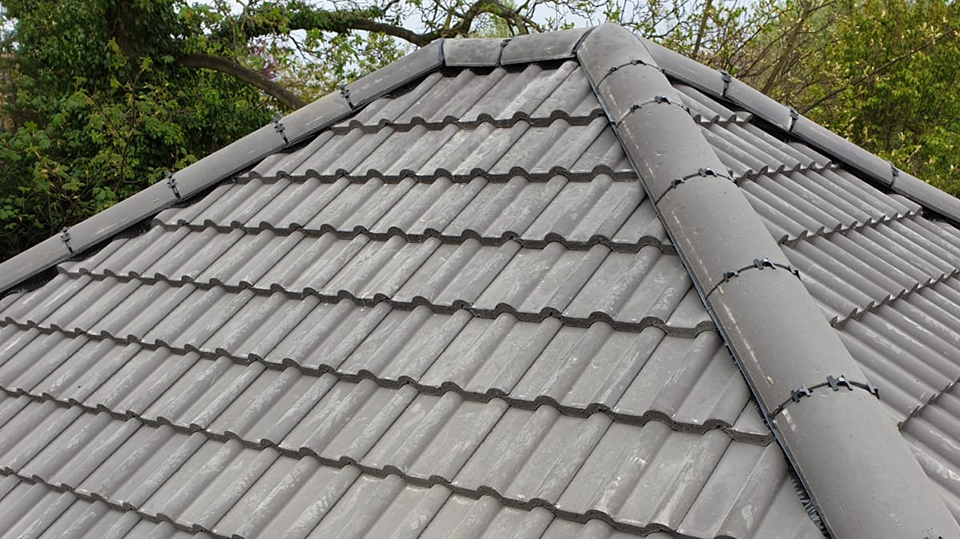 Arrange professional inspections
While your own checks are useful, a trained eye will spot issues you might miss. Regular professional inspections every few years can catch subtle problems before they worsen.
Experienced roofers in Doncaster know how local weather patterns affect roofing materials and can advise on maintenance tailored to your property.
Getting a professional assessment isn’t expensive compared to the cost of fixing major leaks or structural damage later.
Respond quickly to problems
When you do find issues — such as water stains, cracked tiles or sagging spots — acting promptly is crucial. Delays often allow small problems to grow into expensive repairs, which can affect not just the roof but internal ceilings and flooring too.
Even minor damp patches are worth investigating as soon as possible.
Long-term advantages of good roof care
Caring for your roof isn’t just about maintenance; it’s about preserving your home’s value. A well looked-after roof improves energy efficiency, helps keep heating costs down and adds curb appeal.
If you decide to sell your home in the future, a documented record of regular roof care can be attractive to buyers, reassuring them that the house has been looked after.
Keeping up with regular roof care means fewer emergencies and more peace of mind.
Final thoughts
How to Look After Your Roof doesn’t require specialist skills, just attention and consistency. Simple habits like checking surfaces, clearing gutters and acting on early signs of damage make a significant difference over time. With occasional professional support, your roof can continue protecting your home for decades.
How to Look After Your Roof becomes straightforward when you break it down into regular routines and plan ahead.
Contact us
If you would like professional guidance or a roof inspection, please get in touch. We offer reliable advice and free, no-obligation quotes to help you protect your home.